
Online sports betting in South Africa is legal — but only through an operator holding a valid provincial bookmaker license, not through the many offshore sites that quietly target South African punters without one. That distinction gets lost constantly, and it is the single biggest source of confusion behind every online sports betting South Africa legal license search in 2026.
Is Online Sports Betting Actually Legal in South Africa?
Yes. Fixed-odds sports betting through a licensed bookmaker has been legal and regulated since the National Gambling Act 7 of 2004 came into force. The Act does not hand out licenses itself — it sets the national framework, then leaves the actual licensing and day-to-day supervision to nine Provincial Licensing Authorities (PLAs), one per province.
A bookmaker only needs a license from one of these nine boards to operate nationally. License portability means a punter in Gauteng can legally bet with an operator licensed in the Western Cape, for example — there is no requirement to hold nine separate provincial licenses just to accept bets from across the country.
Which Body Actually Issues a Sports Betting License?
This is where most confusion starts. The National Gambling Board (NGB) does not issue remote or online betting licenses directly — it coordinates policy and standards at national level, while the actual licensing power sits with the provincial boards.
- Western Cape Gambling and Racing Board (WCGRB)
- KwaZulu-Natal Gaming and Betting Board
- Mpumalanga Economic Regulator
- Eastern Cape Gambling Board
- Gauteng Gambling Board, plus four further provincial boards covering the remaining provinces
In April 2026, the NGB launched a public verified-operators portal, letting anyone type in a bookmaker’s name and see which province licensed it, under what license type, and whether that license is currently active — a direct response to how many unlicensed sites had quietly been claiming legitimacy with no easy way for a punter to check.

How Do You Actually Check If a Bookmaker’s License Is Real?
A license number sitting in a website footer proves nothing on its own — plenty of unlicensed sites copy one from a competitor. Before depositing anywhere, run through this quick checklist:
- Locate the license number and the name of the licensing provincial board, usually in the site footer.
- Cross-check that number on the NGB’s verified-operators portal, or directly on the named provincial board’s own register.
- Confirm the registered company name behind the brand matches what the provincial board has on file — brand names and legal entity names are not always identical.
- Treat any site with no visible license number, or one that only mentions an offshore license, as unlicensed for South African purposes, regardless of how professional the site looks.
Betway is a useful reference point here: it has held a bookmaker license from the Western Cape Gambling and Racing Board since 2017, and its licensing details are published and independently checkable rather than just claimed on the homepage.
Sports Betting vs Online Casino: Why the Same Brand Can Be Legal for One and Not the Other?
This is the part that trips up even experienced punters. A bookmaker license covers fixed-odds betting on sport — it does not automatically cover roulette, slots, or other RNG-based casino games. Some operators previously offered casino-style contingency bets under the umbrella of their sports betting license, but an October 2025 Supreme Court of Appeal ruling significantly narrowed that practice, and the NGB and the WCGRB have since publicly disagreed over how far the ruling applies nationwide.
In practice: if you are placing a fixed-odds bet on a match result, that is squarely legal sports betting under a real provincial license. If you are spinning a slot or playing live roulette on the same site, you are in the grey zone covered in our separate breakdown of whether online casino gambling is legal in South Africa — a genuinely different legal question from the one this article answers.
Will the Remote Gambling Bill Change Any of This Soon?
Not immediately. The Remote Gambling Bill (B11-2024) is progressing through Parliament as a private member’s bill and would, if passed, introduce a single national remote gambling license covering betting and other online gambling formats uniformly, rather than the current province-by-province patchwork. Its public comment period has closed, but parliamentary progress has been slow enough that most industry analysts do not expect full enactment before 2027 at the earliest.
Consumer advocacy groups that made submissions on the bill in early 2026 have also criticised the current draft for reading more like a licensing regime than a consumer-protection framework, pointing to the absence of affordability checks or a national self-exclusion system, according to a 2026 regulatory update from CMS Law.
What Happens If You Bet Through an Unlicensed Site Anyway?
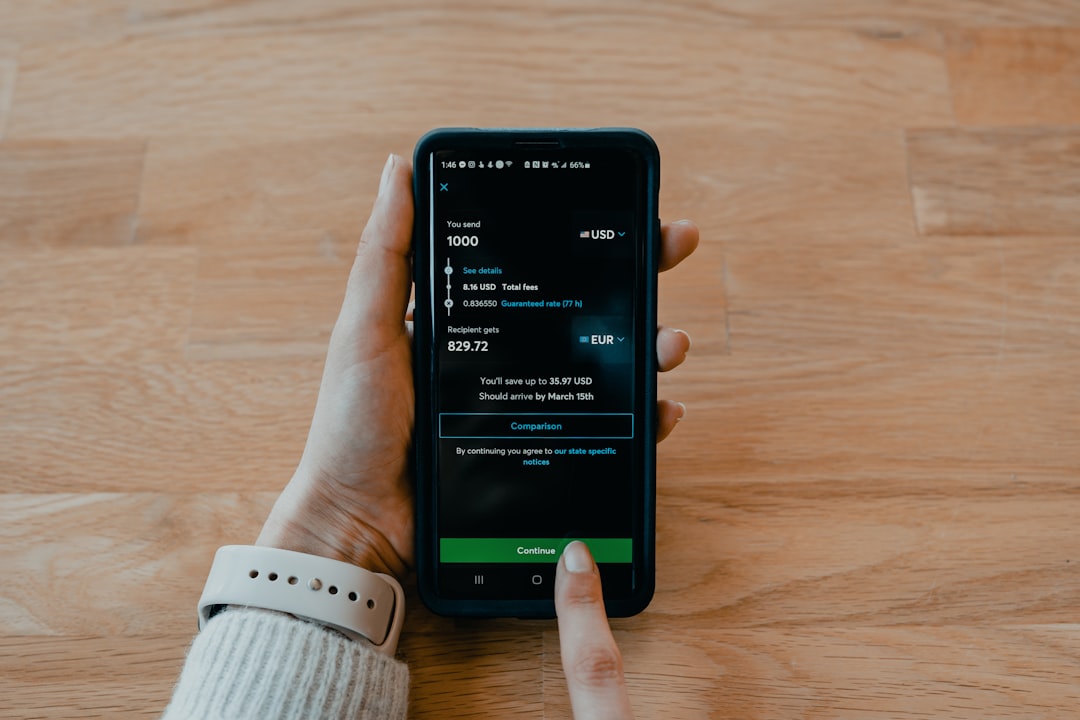
Nothing stops you technically — but you lose every protection a provincial license is meant to guarantee. There is no PLA dispute mechanism to force a payout, no responsible-gambling safeguards enforced by regulation, and moving funds offshore to an unlicensed operator can run into South Africa’s exchange control rules, which restrict sending money abroad for gambling purposes.
The stakes involved are not small. South Africans staked roughly R1.5-trillion across all forms of gambling in the 2024/25 financial year, with gross gambling revenue reaching R75-billion — and sports betting alone now accounts for around 70% of that legal gambling market, up from just 22% before the Covid-19 pandemic, according to NGB’s FY2024/25 national gambling statistics report.
Recreational punters can also relax on one point: winnings from ordinary sports betting are not taxed as income in South Africa. SARS generally only treats betting income as taxable when gambling is your actual trade or livelihood rather than a pastime — a distinction that matters more for full-time professional bettors than for the average weekend punter.
Which Licensed Operators Can South Africans Actually Use Today?
Betway remains one of the clearest examples of a South African-licensed sportsbook, holding its bookmaker license from the Western Cape Gambling and Racing Board since 2017 and publishing verifiable licensing details rather than vague claims of legitimacy.
Readers browsing from elsewhere on the continent should note that not every well-known pan-African brand holds a South African license specifically. Betpawa, Premierbet, and Bwinners are all licensed and regulated in their own respective markets — useful reading if you are betting from a country where they do operate locally, but not a substitute for a South African provincial license if you are placing bets from within South Africa itself.
Frequently Asked Questions
Is it illegal for a South African punter to use an offshore sportsbook?
It sits in a genuine grey area. Individual punters are not typically prosecuted for placing a bet with an unlicensed offshore site, but the operator itself is acting outside South African law, which means none of the dispute-resolution or responsible-gambling protections tied to a provincial license apply to you.
Do I need an ID document to open a legal betting account in South Africa?
Yes. Licensed operators are required to verify your identity before you can withdraw, typically within 24 to 48 hours of submitting your ID document — this KYC step is itself a sign you are dealing with a properly licensed provider rather than an unregulated one.
Can I bet legally on international sports, not just South African leagues?
Yes — a South African provincial bookmaker license covers fixed-odds betting markets generally, not just domestic sport, so licensed operators routinely offer international football, tennis, cricket, and esports markets alongside local leagues.